Spiraling Into a Burnout

Social media is full of people talking about mental health. While that’s amazing, I always wondered why it still feels uncomfortable to post about having optimization OCD. It’s a widely recognized mental health condition, but that doesn’t mean people accept it.
I lived with my intrusive thoughts about optimization for 11 years before I finally mentioned them to a doctor who recognized them as a form of OCD. No one should have to experience the intense burnout and distress that affected me daily. By talking more about how optimization OCD affects people, we can start the social conversation that leads to widespread recognition and acceptance.
What Is OCD?
OCD is a condition called obsessive-compulsive disorder. People with it have recurring thoughts they don’t want but can’t get rid of. The conventional outcome of these thoughts is doing things like washing your hands multiple times in one sitting, showering numerous times each day and repeating actions because your brain tells you to do them a specific amount of times.
Experts estimate 1.2% of U.S. adults have this condition. I’ve seen people discussing how OCD affects their lives online and on TV, so I assumed hygiene-related impulses were the only types of OCD. I had no idea it could present itself in multiple ways, including my own debilitating perfectionism.
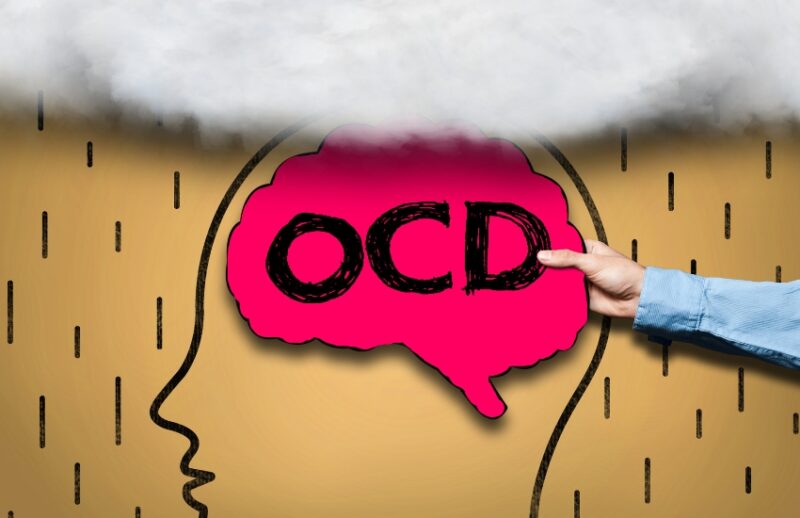
Optimization OCD is an unofficial form of OCD that creates intrusive thoughts about being as efficient as possible.
How Is Optimization OCD Different?
Optimization OCD is an unofficial form of OCD that creates intrusive thoughts about being as efficient as possible. Someone who calls themselves a perfectionist might work on something until they feel the exhaustion and stress of burnout. I’ve lived most of my life the same way, but the effects went beyond my mental health.
My unhealthy fixation on problem-solving stole my sleep, made skipping meals a necessity and prevented me from ever asking for help. My physical and mental health deteriorated. Still, I hid the intense compulsions behind my efforts because my mind was an imperfect aspect of my life I couldn’t do anything about.
Spreadsheets sparked one of my most recent internal spirals. I created one for my monthly budget, putting every expense and paycheck in neat little cells. Some cells used formulas to calculate the value of the column. Seeing them in action quieted the part of my brain that felt disgusted at a simple spreadsheet.
I stayed up until 4 a.m. making other formulas to calculate equations of rows or combinations of cells. By 8 a.m., I had multiple spreadsheet tabs open with math equations calculating how long it takes to commute to work, what money and mileage I’d spend on a dream vacation, and how to break down the money I’d spend on holiday gifts in 10 months.
I didn’t need any of that information, but I had the world’s best spreadsheets in less than 12 hours. It made me feel efficient, which confirmed that I wasn’t a bad person to the OCD thoughts that liked to argue otherwise. In exchange, all I needed to do was stay awake far too long, forget to eat dinner, skip breakfast to finish the spreadsheet on time and go to work like I felt fine.
The thought of talking about optimization OCD with a therapist rarely crossed my mind. I wondered if they’d wave away my concerns and say that I was a perfectionist. Couldn’t I just focus on something else when my efficiency hyperfixations arose?
OCD ensures you can’t do that. I knew my inability to turn off my perfectionist impulses or the thoughts driving them was almost identical to hygiene-fixated OCD. Still, I didn’t seek help. The fear of someone dismissing us is a result of widespread mental health stigmas that lead to adverse outcomes such as:
- Psychological distress
- Delaying treatment
- Intensified symptoms
- Reduced treatment-seeking efforts
- Dropping out of treatment strategies prematurely
The only reason I even mentioned my tendencies to my doctor was because I passed out at work after not remembering to sleep for two days straight. When they learned that I wasn’t sleeping because I couldn’t stop making tiny improvements around the house — like rearranging the furniture and accomplishing to-do list tasks — they referred me to an OCD therapist.
Optimization OCD vs Toxic Productivity
Toxic productivity and optimization OCD are similar but not identical. Someone who’s too productive may overcommit to projects and think of something they need to do whenever a moment of free time occurs. They might eat unhealthy foods because they don’t have time to cook, skip social activities to work on a project for a few more hours or only try hobbies to see if they’ll pay the bills.
Optimization OCD can result in the same outcomes, but the motivation is different. I have intrusive thoughts that cause impulsive behavior. When I made my budget spreadsheet, the driving thought behind it was that if I didn’t make spreadsheets for every aspect of my life that came down to numbers, I’d fall behind. I’d miss bills or waste time.
Those things feel life-shattering to me, so I’ll automatically go to extreme lengths to put those worries at ease. Unfortunately, they rarely go away until I’m literally sitting in a doctor’s office or passed out somewhere.

I also found it helpful to read about setting boundaries. When I set them with myself, it’s easier not to overdo things. Boundaries honor my body and help me pause things when I get busy.
Discovering Helpful Resources
Once I started talking with a therapist about my optimization OCD, I learned there are multiple ways we can get help with this condition. The first form is exposure and response prevention (ERP) therapy. It introduces our system to distressing stimuli in short bursts so we modify our expectations of that stimuli with practice.
My first ERP session required sitting and doing nothing for 30 seconds. I was so uncomfortable that I started sweating. My therapist then asked about the thoughts and feelings behind my discomfort, which unpacked the self-doubt and lack of self-esteem driving my perfectionism.
People with optimization OCD can also read books about self-acceptance, unraveling OCD compulsions and finding joy in slowing down. I also found it helpful to read about setting boundaries. When I set them with myself, it’s easier not to overdo things. I have a boundary that I don’t go longer than four hours without eating something, which requires alarms on my phone. It honors my body and helps me pause things when I get busy.

Once I started talking with a therapist about my optimization OCD, I learned there are multiple ways we can get help with this condition.
Facing OCD with Confidence
Optimization OCD can feel impossible, but there are always resources ready to help. You don’t have to feel trapped with spiraling thoughts about efficiency that end up hurting you.
Talking with people about the existence of your OCD and meeting with a therapist are powerful ways to reclaim your mind and improve your quality of life. I may occasionally have intrusive thoughts still, but I’ve spent enough time developing self-help tools with my therapist to face them with confidence.