How Play Therapy Can Help
Children are naturally drawn to play because it is a way for them to learn about the world. Through play, they can develop skills such as problem-solving, decision-making, and creativity.
But apart from this, play is also an outlet for emotional expression where children can act out scenarios or express their emotions using toys. When children have big feelings, such as anxiety, that’s where play therapy comes in.
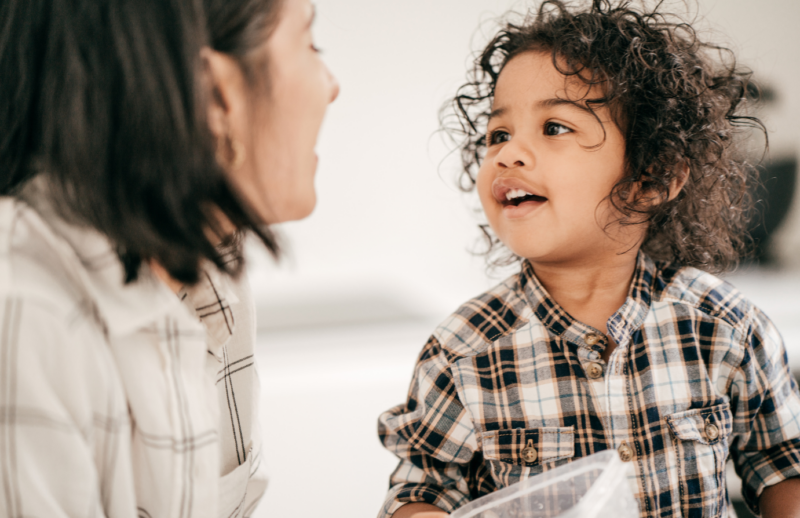
Understanding Childhood Anxiety
Just like adults, young people get worried about different things. Anxiety in children is a normal, expected reaction to new or challenging situations.
For instance, kids may feel a bit nervous before the first day of school. Or they may feel anxious about tests and school performances. Normal anxiety is short-lived, and can come and go.
It starts to be an issue if their worries and fears affect their daily lives. Severe anxiety is crippling and may lead to avoidance of activities other kids their age enjoy. They can also experience separation anxiety, social anxiety, or specific fears such as phobia of needles.
Anxiety disorders in children are influenced by biological and environmental factors. Moreover, a 2012 study found that a negative family environment, death and loss, and academic failures are linked with higher levels of anxiety symptoms in children.
Treatment options for children with anxiety will depend on their age and the cause of anxiety. Counseling, cognitive behavioral therapy, and medications may be recommended.
What is Play Therapy?
Play therapy is a type of therapy designed to help children express their emotions and communicate their thoughts through play. It is based on the understanding that play is children’s language, and they can use toys to communicate their thoughts and feelings.
This type of therapy is beneficial for children who might have difficulty expressing themselves verbally. Children can also learn healthy coping mechanisms through play therapy.
Play therapy can support kids who have family issues, trauma, eating disorders, attention deficit hyperactivity disorder (ADHD), autism spectrum disorder (ASD), depression, grief, and anxiety.
How Play Therapy Addresses Childhood Anxiety
Play therapy allows children to explore their worries and fears and learn how to cope with their feelings. It involves providing kids with a space to express themselves comfortably.
Creating a Safe Therapeutic Space
Some children may find it challenging or intimidating to express themselves in traditional talk therapy. This can happen if they have limited verbal skills because of their age. A 2015 study has shown that child-centered play therapy (CCPT) has helped decrease overall levels of anxiety in young children.
Play therapy is a good choice because it provides children with a comfortable therapeutic, and safe space to express themselves. It allows children to play, which means that they can be comfortable communicating while doing a familiar activity.
Non-Directive Play and Self-Expression
A study published in 2021 found that non-directive play therapy helped reduce anxiety in anxious children after 10 sessions. Also known as child-centered play, non-directive play involves giving the child freedom when playing without directions from the therapist. Aside from allowing the child to express their emotions during play, it can also provide a healing effect.
Non-directive play involves the therapist entering the child’s world and understanding the child through their language – which is play. After several sessions, the therapist can recognize common themes which can help them interpret the child’s experiences.
Non-directive play can be helpful for anxious children because it gives them free rein on what to do. This gives them a sense of control over their decisions, which can help reduce their anxiety as well.
Play Therapy Techniques for Anxiety Reduction
Play therapy involves a variety of techniques that can help reduce anxiety in children. Here are some examples:
Art therapy
Art is a powerful medium for expression suitable for children with anxiety. Through drawing, painting, or other mediums, they can express thoughts and emotions that may be difficult to express verbally. Art also has a soothing and relaxing effect, which can help reduce anxiety.
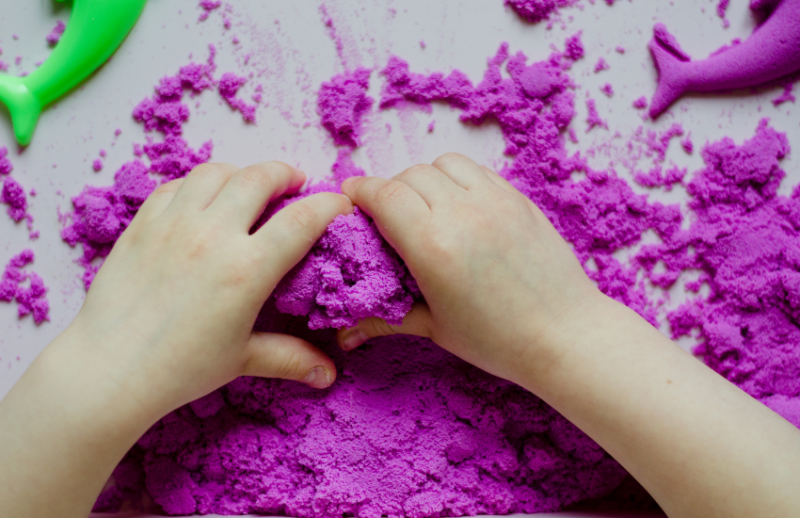
Art activities include drawing using prompts, using coloring sheets, playing with sensory materials such as dough, and painting rocks. For example, clay therapy where kids can sculpt can be a way to soothe the stress a child feels. Moreover, creating characters or things with clay can help them process their experiences.
Role-play
During role-play therapy, kids can reenact situations that trigger their anxiety. This can help them process their emotions and understand their experience. A therapist can help guide them on how to cope with their feelings and develop emotional regulation and problem-solving skills.
Parents and educators can also make use of role-playing to help children overcome their anxiety. For instance, a parent and a child can reenact scenarios that cause anxiety and practice how to calm down and problem-solve. These scenarios may include starting a new school, meeting new people, or dealing with conflict.
When roleplaying with children at home or in the classroom, adults should model calm and positive behavior and teach skills to cope with anxiety.
Hide and seek
Separation anxiety refers to the distress children experience when they are separated from their caregiver or loved one. When this happens, a child may worry that something bad will happen to them or their loved one during the separation. Hide and seek can be used in play therapy to find out if a child has separation anxiety.
Hide and seek can also help the child conquer their fear because they can practice being away from a loved one for a short while before reuniting. This way, absence is normalized and the child can learn how to cope with their anxiety.
Collaborating with Parents and Caregivers
A consultation with a play therapist might involve joint interviews with the child, parent, or caregiver. Separate consultations with each party might also be done to understand the child’s situation.
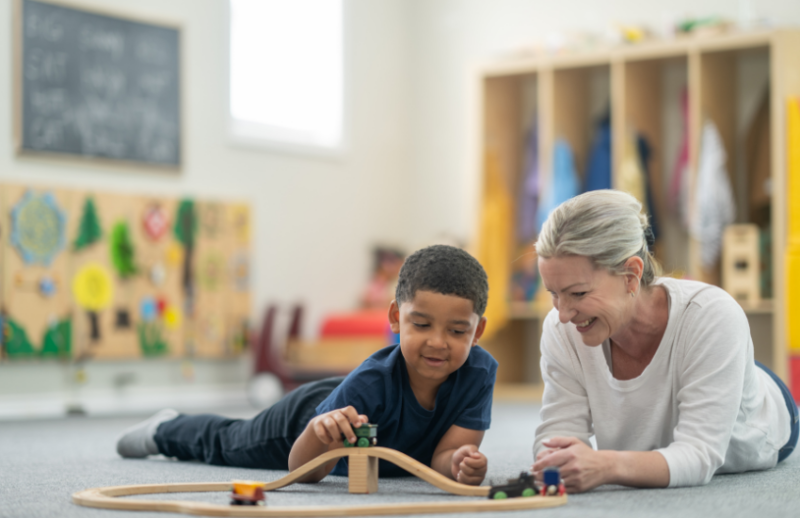
Moreover, parents and other family members may also be asked to join the play therapy sessions. Filial therapy involves teaching caregivers play therapy skills so they can help their children face problems and improve their relationship with one another.
In conclusion, kids can become anxious from time to time, but if it starts to disrupt their lives, it might be time to schedule a consultation with a mental health professional. Play therapy is one treatment option for children with anxiety because it allows them to communicate through the language they know best — play.