Telling Anxiety to Take a Hike

Growing up, worry was a constant companion (literally). It followed me everywhere, from my childhood to adulthood. It wasn’t until much later that I understood these worries as ANXIETY! Through my story, I hope to raise awareness about anxiety disorders and reduce the stigma around mental health.
Early Experiences with Panic
As a child, I worried about everything. In high school, I was stressed over getting into college. Would I make the cut? If I did, which college would I go to? In college, the worries shifted. Will I pass my exams? Would I find a job afterward? This constant worry felt normal to me. It was just part of life.
But then, anxiety would wake me up in the middle of the night. I felt like I was dying, gasping for air in the throes of a full-blown panic attack. I kept these terrifying experiences to myself.
In my Haitian-American family, mental health wasn’t discussed. Ever. Reflecting on it now, I realize some family members had depression. Their melancholy wasn’t just a sad day or week — it lasted my entire childhood. Yet, we never talked about it.
The stigma around mental illness in my culture is strong. It’s seen as a weakness, a “made-up” ailment. Going to therapy? That was a luxury reserved for those of white privilege. I’m grateful that this narrow perspective is slowly shifting. More people are encouraged to seek help and find healing methods.
I Knew I Needed Help
The turning point came in adulthood, when I realized I couldn’t keep my anxiety to myself any longer. The panic attacks were becoming too frequent and intense. I decided to seek help, and fortunately, I found an amazing therapist. She told me, “Tamar, what you have been experiencing all these years is ANXIETY.”
Hearing this was a revelation. I thought anxiety was a permanent flaw, but she helped me see it as a life event I could manage. My therapist’s first assignment for me was to journal my feelings throughout the week. When I read my writings, I was shocked by the negative things I said about myself and others. (Back then, I would have been embarrassed to admit that last bit, but it was the truth.)
My mantra back then was: “I will never be able to do this. This is not going to happen for me.” As you may imagine, it felt awful to live with this attitude.

The Power of Journaling
All that opened my eyes to the internal dialogue that was fueling my anxiety. Journaling helped me understand my thoughts and feelings better and address them constructively. Each entry was a step toward recognizing patterns and triggers.
Today, I am still managing my anxiety. I am still coping with it. Worry still comes in and sits with me for a cup of tea sometimes.
Speaking Kindness to Myself
Yet healing happens every day. I learned the words we use shape our reality. Instead of saying, “I have anxiety,” I began to affirm, “I am healing anxiety”…for as long as it takes.
This simple change in language made a profound difference. It shifted my focus from a state of being stuck to one of active progress and hope. Each morning, I would start my day with positive affirmations. Throughout the day, I reminded myself of the good things happening around me.
I also started practicing gratitude regularly. I would jot down things I was thankful for each day in a journal. This practice helped me focus on the positive aspects of my life, which, in turn, reduced my anxiety.
I started being honest with how I was doing with loved ones. Verbalizing that felt so POWERFUL to me! For anyone struggling with anxiety, I recommend exploring the power of positive self-talk and gratitude.
Discovering Yoga and Nature Walks
Yoga taught me to stay present and connect with my breath, helping to calm my mind during panic attacks. Each pose and breath brought a sense of peace I hadn’t felt in a long time.
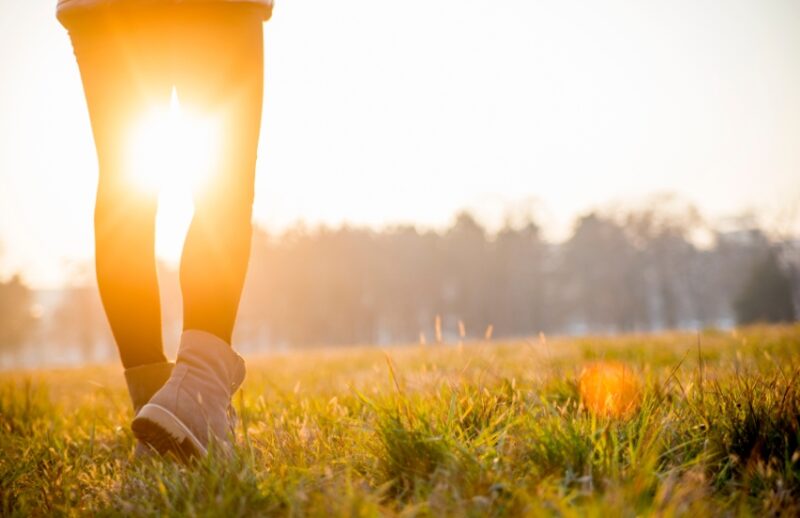
Long, slow walks in nature provided a peaceful escape, allowing me to reflect and find solace away from daily stresses. The rustling leaves, the chirping birds, and the fresh air became my sanctuary.
Finally, I Found Relief
Managing anxiety is an ongoing process for me. Over the years, I’ve found several practical strategies that help me cope and heal.
- Practicing Yoga and Meditation are essential for me. They help me control my breath and stay present, bringing a sense of calm and centeredness.
- Taking Long, Slow Walks: I find tranquility in nature. These walks keep me grounded and help me stay present.
- Journaling: This tool helps me express thoughts and track progress, aiding in better anxiety management.
- Eliminating Caffeine: I’ve cut out caffeine and replaced it with high-antioxidant foods like blueberries to support brain health.
- Group Support: Support groups were crucial for my journey and healing. It provides a safe space to explore feelings and learn effective anxiety management techniques.
- Maintaining a Balanced Diet: I ensure proper sleep and hydration and avoid sugary foods and caffeine. Getting adequate sunlight is also essential for managing my anxiety.
- Healing My Thyroid Issues: Addressing thyroid health has significantly improved my anxiety, highlighting the connection between physical and mental well-being.
- Limiting Social Media and News: Reducing exposure to social media and news helps maintain a healthy digital diet and minimizes anxiety triggers.
I learned that it can take a mix of solutions, holistic and medical interventions to help with coping and healing. So what I’d say to you is be patient with the process and try a few things to see what works best for you.
My new mantra is, “Everything is working out for me. Even something that I can’t see right now is working out for me.”
And it always does…
There are many paths to mental well-being, and I’m excited to contribute to a solution through my work at MentalHappy. We help people feel supported and less alone. Our mission is to provide a platform where individuals can access expert-led group support and free health resources for any challenging life event. Joining is free, and we offer the support you need to enhance your well-being.
Living Stigma Free
I never told my family I went to therapy (unless they read this article). Seeking out therapy or support groups is NOT a sign of weakness, and from my experience, it has been nothing but EMPOWERING.
NOW, I want people of all races and backgrounds to feel accepted and empowered, especially those who grew up without support. Everyone deserves access to practical tools, resources and community for coping and healing.
Remember, managing anxiety is a personal journey.
Reach out for help and find what works for you. Be patient; healing takes time. Each step brings you closer to a healthier, more fulfilling life. Read insightful strategies on how to help yourself during a panic attack.